Electrical Switch with On Off Positions: A Versatile Design Asset for Creative and Professional Workflows
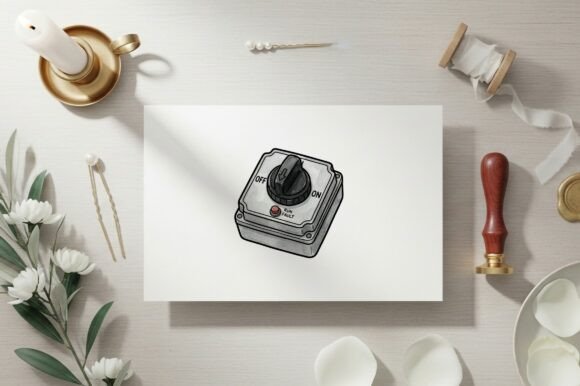
The Electrical Switch with On Off Positions is more than just a visual element—it's a functional design asset that bridges the gap between technical clarity and creative flexibility. Whether you're building user interfaces, crafting instructional materials, or designing branded merchandise, this type of switch graphic provides a universally understood visual language that enhances communication and usability.
When paired with a 3D switch control panel design that includes On, Off, and Run/Fault settings, the visual depth and realism elevate the design's applicability across both digital and print platforms. With high-resolution PNG files offering transparent backgrounds at 4500px x 4500px and 300 dpi, these assets are scalable and adaptable to a wide range of creative and professional applications.
Understanding the Role of Electrical Switch Graphics in Design Workflows
At its core, the Electrical Switch with On Off Positions serves as a symbolic representation of binary states—on or off, active or inactive. This makes it particularly useful in contexts where visual clarity is essential, such as user interface (UI) design, instructional diagrams, and product mockups.
In a UI/UX context, these switch graphics help users understand system states at a glance. For example, a mobile app that controls smart home devices may use these icons to indicate whether a light is on or off. In educational or technical documentation, they can be used to illustrate circuit diagrams or control panels, aiding comprehension for both professionals and laypeople.
Integration into Creative and Business Projects
These high-quality switch graphics are not limited to technical use cases. Their clean, scalable format makes them ideal for integration into a variety of creative workflows. Here are a few practical applications:
- Social media design: Use switch icons to create engaging infographics or highlight toggles in product demos.
- Printable kits: Incorporate them into templates for planners, checklists, or workflow diagrams.
- Merchandise design: Print on mugs, t-shirts, posters, or stickers for tech-themed branding or promotional items.
- Event planning: Integrate into wedding or event decor as part of interactive signage or digital displays.
- Business presentations: Illustrate binary choices, system statuses, or decision trees in slideshows or reports.
How to Use the 3D Switch Control Panel Design Effectively
The 3D switch control panel design with On, Off, and Run/Fault settings adds an extra layer of realism and functionality. This type of design mimics actual industrial control panels, making it especially useful for:
- Industrial or engineering documentation: Represent real-world control systems in manuals or schematics.
- Software mockups: Provide visual fidelity in dashboards or control interfaces for industrial or IoT applications.
- Educational materials: Teach students or trainees about electrical systems using realistic visual aids.
Because these graphics come with transparent backgrounds, they can be layered seamlessly over any background color or texture without the need for additional editing. This feature is particularly valuable for designers working under tight deadlines or those who need to maintain consistency across multiple assets.
Workflow Integration and Practical Implementation Tips
Integrating the Electrical Switch with On Off Positions into your workflow is straightforward, but a few best practices can enhance efficiency and maintain visual consistency:
- Organize your assets: Store PNG files in clearly labeled folders based on use case (e.g., UI elements, print templates, presentation graphics).
- Use design systems: If you're working on a larger project, include these switch graphics in your design system or style guide to ensure uniformity across platforms.
- Test for scalability: Because the files are high-resolution, they can be scaled down for mobile interfaces or up for large-format prints without losing quality.
- Layer with other UI elements: Combine with buttons, sliders, or status indicators to create cohesive control panels or dashboards.
- Optimize for web use: If embedding on a website, compress the PNGs appropriately while retaining clarity to balance quality and performance.
Ensuring Compatibility Across Platforms and Tools
One of the major advantages of using high-quality PNGs like the Electrical Switch with On Off Positions is their compatibility with a wide range of design and publishing tools. Whether you're using Adobe Photoshop, Illustrator, Figma, Canva, or even PowerPoint, these files can be imported and manipulated with ease.
For digital product designers, compatibility with platforms like Figma or Sketch ensures that these switch graphics can be part of interactive prototypes. For print designers, the 300 dpi resolution ensures that physical outputs such as posters, stickers, or packaging maintain a professional finish.
Long-Term Use and Reusability Considerations
Because this is a digital product, you can download and reuse it across multiple projects without concerns about degradation or licensing restrictions (assuming the usage rights allow for commercial use, which they typically do in such design kits). This reusability makes it a cost-effective asset for both individuals and businesses.
To maximize long-term value:
- Backup your files: Keep copies in cloud storage or external drives to prevent loss due to device failure.
- Update your library: Periodically revisit your design asset collection and refresh outdated graphics to keep your visuals current.
- Create templates: Save time by building reusable templates that include your favorite switch graphics for common use cases.
Conclusion: A Practical Design Element with Broad Applicability
The Electrical Switch with On Off Positions, especially when combined with a 3D switch control panel design and transparent PNG format, is a versatile and practical asset that supports a wide range of creative and professional needs. Whether you're designing a user interface, preparing educational materials, or creating branded merchandise, this type of visual element enhances clarity, professionalism, and usability.
By understanding how to integrate these graphics into your workflow, optimize them for different platforms, and ensure long-term usability, you can make the most of this valuable digital product. With its high resolution, transparent background, and scalable format, it's a resource that offers both immediate utility and lasting value across a variety of applications.