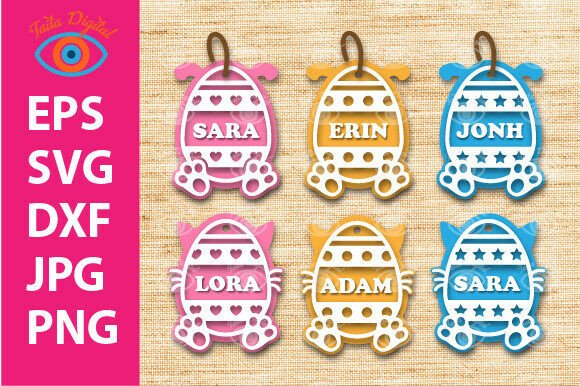
Customizing Pet Accessories with Cat Dog Name Tags SVG, Personalized Files
For pet lovers and creative professionals alike, the ability to personalize pet accessories has become a meaningful way to connect with animals and showcase craftsmanship. The Cat Dog Name Tags SVG, Personalized digital file set offers a flexible and scalable solution for those looking to create custom pet name tags, ornaments, and decor items. Whether you're a small business owner crafting personalized gifts or a hobbyist working on a DIY project, these files provide a foundation for creativity and precision.
This collection includes five file types—SVG, PDF, EPS, DXF, and PNG—ensuring compatibility with a wide range of design software and cutting machines. The files are designed to work seamlessly with tools like Cricut and laser cutters, enabling users to produce detailed, layered designs in materials such as faux leather, wood, and acrylic. With a high-resolution 300dpi PNG format featuring a transparent background, these templates also support digital applications like social media graphics or print-on-demand services.
Understanding the File Types and Their Uses
The versatility of the Cat Dog Name Tags SVG, Personalized package begins with its multiple file formats. Each format serves a specific purpose depending on your tools and intended use:
- SVG (Scalable Vector Graphics) – Ideal for use with Cricut, Silhouette, and other cutting machines, SVG files maintain quality at any size and are perfect for creating layered designs.
- PNG (Portable Network Graphics) – The 300dpi PNG files with transparent backgrounds are excellent for digital use, such as overlaying pet tags onto product mockups or designing digital pet profiles.
- PDF (Portable Document Format) – Useful for sharing or printing designs while preserving layout and quality, especially when working with clients or preparing for laser cutting.
- EPS (Encapsulated PostScript) – A vector format preferred by many professional designers and compatible with Adobe Illustrator and other advanced design software.
- DXF (Drawing Exchange Format) – Commonly used in CAD software and laser cutting applications, DXF files are especially valuable when preparing for CNC or laser machine operations.
These formats allow for a smooth transition between digital design and physical creation, making them a practical choice for both personal and small business use. Whether you're creating a single pet ornament or preparing a batch of custom name tags for sale, the variety of file types ensures you can work within your preferred tools and materials.
Integrating into Your Creative Workflow
Before diving into production, it's important to understand how these files fit into a broader creative process. The Cat Dog Name Tags SVG, Personalized templates are not standalone products but rather digital assets that interact with other tools and platforms. Here’s how you can integrate them effectively:
- Preparation: Begin by extracting the ZIP file containing all five formats. If you encounter any issues with extraction, reach out to the creator for support. Once extracted, organize the files by format to streamline your workflow.
- Software Compatibility: Use design software that supports your chosen file type. For example, SVG files work well with Cricut Design Space, while EPS and PDF files are best suited for Adobe Illustrator or Inkscape. DXF files may be imported directly into laser cutting software like LightBurn or RDWorks.
- Material Selection: Choose materials based on your project needs. Faux leather and thin wood are great for earrings and small tags, while acrylic and MDF are ideal for more durable, laser-cut items like ornaments or wall decor.
- Testing and Adjustments: Before committing to a final cut, test your design on scrap material to verify alignment, size, and layering. This step helps avoid costly mistakes and ensures consistent results across multiple pieces.
- Assembly and Finishing: Once cut, assemble your pieces using glue, string, or other fastening methods. For a polished look, consider sanding wooden pieces or applying a protective coating to acrylic tags.
By aligning these steps with your existing workflow, you can maintain efficiency while producing high-quality, personalized pet accessories. This integration is especially valuable for small businesses looking to offer custom options without slowing down production timelines.
Applications Beyond the Basics
While the primary use of Cat Dog Name Tags SVG, Personalized is for pet identification tags and ornaments, their adaptability allows for broader creative applications. Here are a few examples:
- Seasonal Decor: Create themed pet tags for holidays or special occasions using the same templates. For instance, adding a festive border or holiday-themed icon to a pet tag can turn it into a holiday ornament or gift tag.
- Shiplap Garland Projects: Incorporate the SVG files into a larger shiplap garland design by laser-cutting multiple tags and stringing them together with twine or ribbon.
- Educational Tools: Teachers or pet educators can use the templates to create visual aids or name tags for classroom pets, helping students learn about pet care and identification.
- Marketing Materials: Small pet-related businesses can use the PNG files to create branded digital assets, such as social media posts or product mockups, enhancing online visibility and customer engagement.
These expanded uses demonstrate how a single digital asset can be repurposed across different projects and industries. The ability to scale and adapt the designs makes them a long-term investment rather than a one-time purchase.
Ensuring Quality and Consistency
Consistency is key when producing multiple items from the same template. Since the Cat Dog Name Tags SVG, Personalized files are created with precision and layered detail, it's important to maintain that quality throughout your production process. Here are a few tips:
- Use the Same Settings: When cutting or engraving, keep machine settings consistent across all pieces to avoid variations in size or detail.
- Batch Processing: If creating multiple tags, batch process your cuts to maintain uniformity and reduce setup time between pieces.
- Label and Store: After production, label each finished tag clearly and store templates securely to avoid confusion in future projects.
- Track Feedback: If you're selling customized items, collect feedback from customers to refine your designs and improve future iterations.
By maintaining a structured approach, you not only ensure a professional finish but also build a reliable system for future projects. This level of organization is especially important when managing a small business or producing items for resale under permitted guidelines.
Final Thoughts on Integration and Long-Term Use
The Cat Dog Name Tags SVG, Personalized digital files are more than just templates—they are a foundational element in a broader creative ecosystem. Whether you're crafting for personal use or building a product line, these files offer flexibility, precision, and scalability. Their compatibility with a wide range of tools and materials makes them a versatile asset for both beginners and experienced creators.
As with any digital resource, the value lies in how well you integrate it into your existing process. By understanding file types, testing your materials, and organizing your workflow, you can maximize the potential of these templates. Over time, they can become a go-to resource for pet-themed projects, seasonal decor, and custom gifts—proving that a well-designed digital file can be both functional and creatively inspiring.